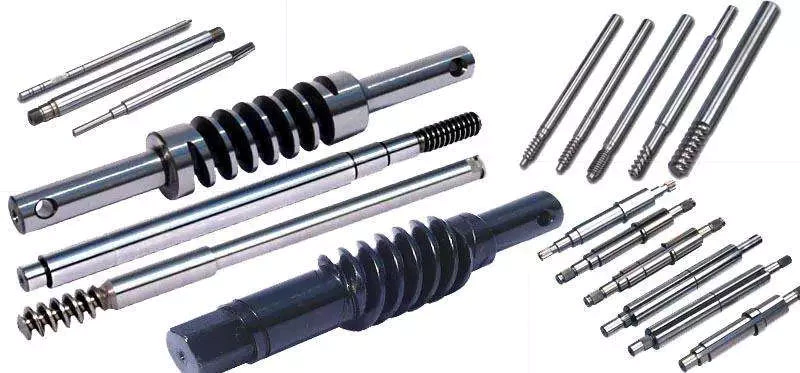
Worm Shaft for Pneumatic Systems
Introduction
In this blog post, we will explore the fascinating world of worm shafts in pneumatic systems. Worm shafts play a crucial role in the smooth operation and efficiency of these systems. In this article, we will delve into the function of worm shafts, the materials used in their construction, the benefits of using worm gears, and how to select or customize the right worm shaft for your specific needs.
What is the Function of Worm Shaft?
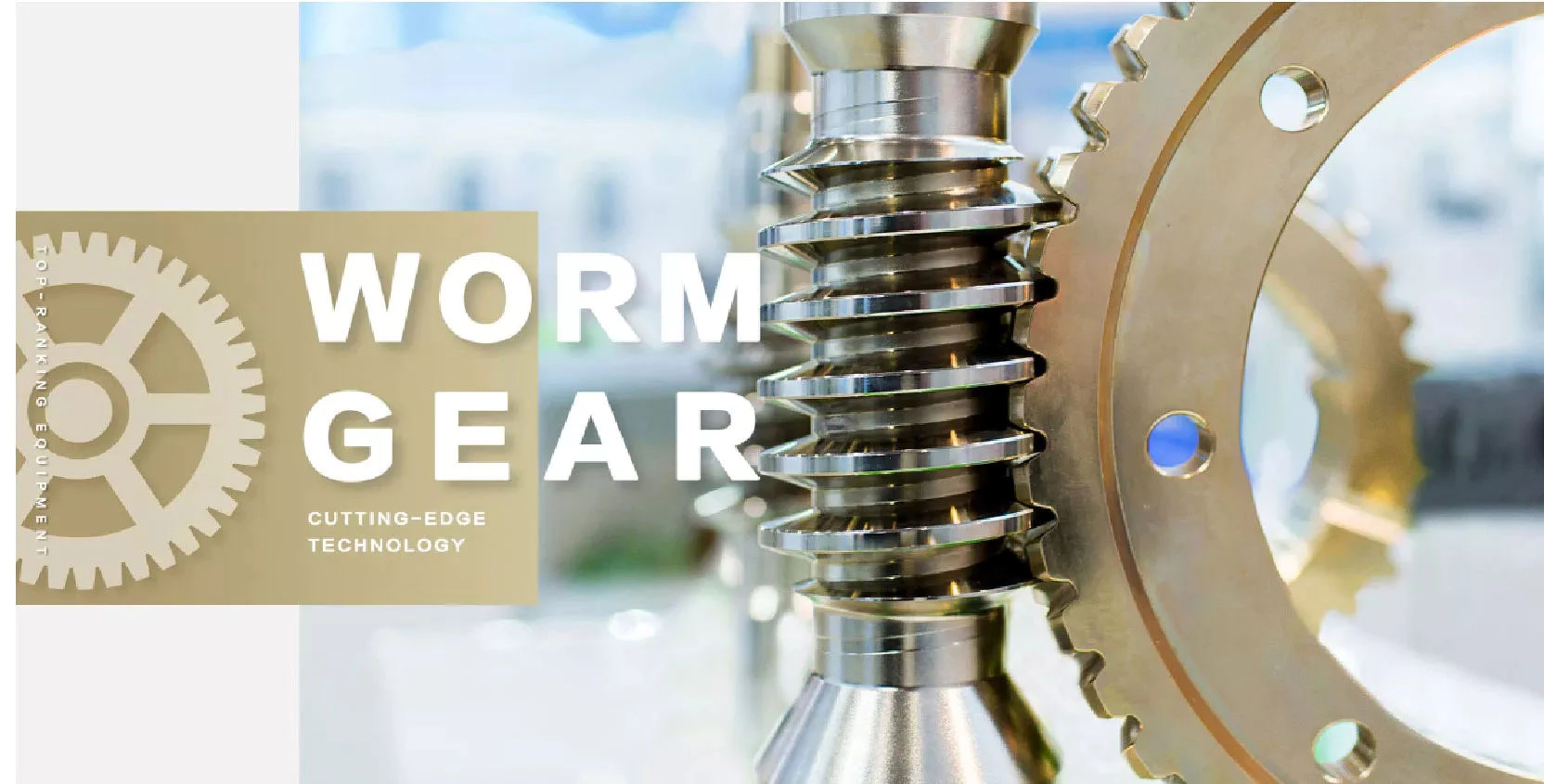
1. Transmitting Motion: The primary function of a worm shaft is to transmit rotational motion between two non-parallel and intersecting shafts. It converts rotary motion into linear motion, allowing for the precise control of pneumatic systems.
2. Power Transmission: Worm shafts are efficient in power transmission due to the high gear ratio they offer. This enables smooth and controlled movement in pneumatic systems, ensuring optimal performance.
3. Torque Conversion: Worm shafts excel in torque conversion, providing a high level of mechanical advantage. This makes them ideal for applications requiring increased torque and reduced speed.
4. Backdriving Prevention: Worm shafts possess a unique characteristic called self-locking, which prevents the system from backdriving. This feature ensures the stability and safety of pneumatic systems, especially in situations where holding a load is critical.
5. Noise Reduction: Worm shafts operate smoothly and quietly, reducing noise levels in pneumatic systems. This makes them suitable for applications where noise reduction is essential, such as in medical equipment or precision machinery.
What is the Material of Worm Shaft?
When it comes to selecting the material for worm shafts, several factors need to be considered:
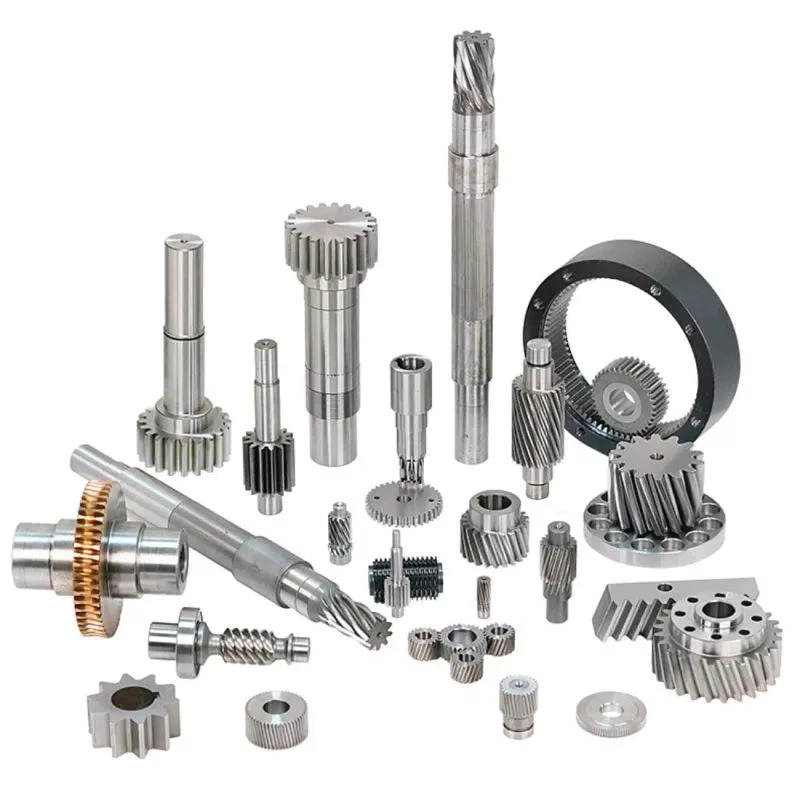
1. Hardness and Strength: Worm shafts are commonly made from high-quality alloy steels or hardened steel to ensure exceptional hardness and strength. This allows them to withstand heavy loads and resist wear and tear.
2. Corrosion Resistance: Some worm shafts are coated with materials like nickel or chrome to enhance their corrosion resistance. This is particularly important in applications where the shafts may be exposed to harsh environments or corrosive substances.
3. Lubrication Compatibility: The choice of material should be compatible with the lubricant used in the system. Proper lubrication is crucial for reducing friction and heat generation, prolonging the lifespan of the worm shaft.
4. Machinability: The material should be easy to machine and shape into the desired worm shaft configuration. This ensures precise manufacturing and allows for customization according to specific requirements.
5. Cost Considerations: The material selected should strike a balance between performance and cost-effectiveness, ensuring the best value for the application.
What are the Benefits of Worm Gears?
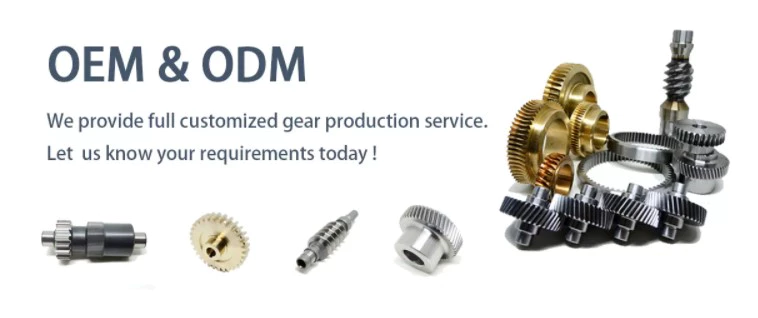
Worm gears, utilized in conjunction with worm shafts, offer numerous advantages:
1. High Gear Ratio: Worm gears provide a large gear ratio, allowing for precise control and adjustment in pneumatic systems. This facilitates fine-tuning of system parameters and ensures smooth operation.
2. Compact Design: Worm gears have a compact and space-saving design, making them suitable for applications with limited space. They can be integrated into small and complex machinery with ease.
3. Increased Load Capacity: Worm gears have high load-carrying capacity and can handle heavy loads without compromising performance. This makes them ideal for applications requiring robust power transmission.
4. Self-Locking Feature: The self-locking characteristic of worm gears ensures system stability and prevents backdriving. This eliminates the need for additional braking mechanisms, simplifying system design and reducing costs.
5. Smooth and Quiet Operation: Worm gears operate smoothly and quietly, minimizing noise and vibration. This is beneficial in applications where noise reduction is critical, such as in precision instruments or noise-sensitive environments.
How to Select or Customize the Right Worm Shaft?
Choosing or customizing the right worm shaft involves considering various parameters and real-world conditions:
1. Load Requirements: Evaluate the type and magnitude of the load the worm shaft will need to transmit. Consider factors such as torque, speed, and duty cycle to ensure the chosen worm shaft can handle the load effectively.
2. Environmental Factors: Assess the environmental conditions the worm shaft will be exposed to, including temperature, humidity, and presence of corrosive substances. Select a material and coating that can withstand these conditions for optimal performance and longevity.
3. System Efficiency: Determine the desired efficiency of the pneumatic system. Consider the gear ratio and efficiency of the worm shaft to minimize energy loss and maximize overall system efficiency.
4. Space Constraints: Measure the available space for the worm shaft and ensure it can fit within the system without interfering with other components. Consider compact designs or custom configurations if space is limited.
5. Cost Considerations: Analyze the budget and cost requirements for the worm shaft. Balance the desired performance and quality with the available budget to find the most suitable solution.
About HZPT
HZPT was established in 2006 and is located in Hangzhou, China. With an area of 1,700 square meters and a total building area of 30,000 square meters, we specialize in producing and selling various types of gearboxes. Our product portfolio includes over 10 series and thousands of specifications, including planetary gearboxes and spiral bevel gearboxes. We take pride in our four patented high-torque, high-precision, custom-made planetary reducers. As a factory-direct supplier, we offer competitive prices and provide excellent customer service within 24 hours. We have over 20 years of experience in ODM and OEM, ensuring top-quality products and designs that meet market demands. We offer customized packaging and branding options, catering to individual needs. Contact us for all your worm shaft requirements, and we will be happy to assist you.
Conclusion
In conclusion, worm shafts play a vital role in pneumatic systems by transmitting motion, providing power transmission, converting torque, preventing backdriving, and reducing noise. Selecting the right material for worm shafts is crucial, considering factors such as hardness, corrosion resistance, lubrication compatibility, machinability, and cost. Worm gears offer benefits like high gear ratio, compact design, increased load capacity, self-locking feature, and smooth operation. When choosing or customizing a worm shaft, factors such as load requirements, environmental factors, system efficiency, space constraints, and cost considerations must be taken into account. At HZPT, we are proud to offer high-quality worm shafts and gearboxes, leveraging our extensive experience and expertise in the industry.
Contact HZPT today for all your worm shaft needs and experience the difference!
Note: The images used in this article are for illustrative purposes only and may not represent the exact product mentioned.